A complete beginner walkthrough for a simple patchwork quilt: choose fabrics, cut squares, piece rows, quilt the layers, and bind a cozy finished quilt.
The Quilt Mark
October 22, 2026
Quilt Batting: Cotton vs Wool vs Bamboo vs Polyester
Choose the right quilt batting with confidence. Compare cotton, wool, bamboo, and polyester for loft, warmth, drape, quilting distance, shrinkage, and real-world best uses.

Clara Jenkins
Clara Jenkins is an avid quilter and fabric enthusiast who has been designing and piecing together quilts for over twenty years. She shares her passion for color coordination, block design, and practical sewing techniques to help makers of all skill levels create beautiful, lasting heirlooms. Through Quiltmark, Clara aims to make the timeless art of quilting accessible, joyful, and deeply rewarding for everyone.
Updated October 22, 2026
Batting is the quiet middle child of the quilt sandwich. It does not get the glory of a showy print or the satisfaction of a crisp binding finish, but it heavily influences how your quilt feels in real life. Warmth. Weight. Drape. Puff. Stitch definition. And yes, it can nudge a quilt toward “crinkly cute” or “smooth and tidy,” although fabric choice, prewashing, quilting density, thread, and how you dry the quilt all matter too.
If you have ever finished a top you loved and then felt a little disappointed once it was quilted, batting is often part of the reason. So let’s take the mystery out of it. Below is a clear, hands-on comparison of cotton, wool, bamboo, and polyester batting, plus how to match each one to the kind of quilt you are making.
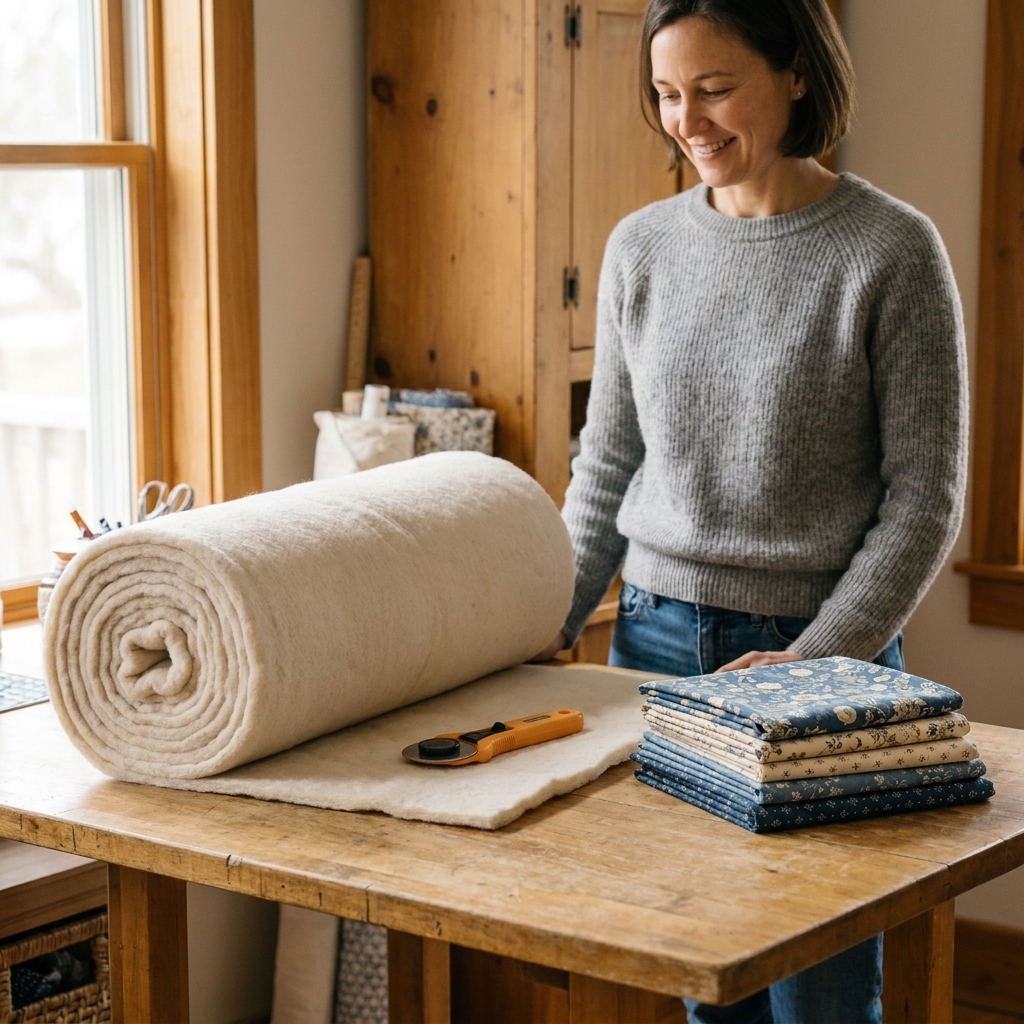
How batting changes a quilt
Before we talk fibers, it helps to know which batting traits actually matter at the sewing machine and in the wash.
- Loft: How thick and puffy the quilt looks and feels. Higher loft gives that cloud-like look. Low loft tends to lay flatter.
- Drape: How the quilt falls over a lap or bed. Some battings feel crisp and structured, others feel fluid and cozy.
- Warmth: Not always tied to thickness. Fiber type and loft both change how well batting traps heat and how breathable it is.
- Stitch definition: If you want your quilting to pop, certain battings highlight stitches better.
- Quilting distance: Every batting has a maximum distance between quilting lines. This matters for simple “big loops” quilting as much as dense free-motion.
- Shrinkage and crinkle: Some battings shrink more, giving that beloved antique puckered texture. Fabric shrinkage and drying method also play a big role.
- Needling and bearding: “Bearding” is when fibers poke through the quilt top or backing. Needle choice, fabric weave, abrasion, and batting construction all play a role.
Quick comparison
If you are a “just tell me what to buy” type, start here. Then read the fiber sections for the why.
| Batting type | Feel and drape | Warmth | Loft | Stitch definition | Quilting distance | Best for |
|---|---|---|---|---|---|---|
| Cotton | Soft, slightly weighty, classic drape | Moderate, breathable | Low to medium | Subtle to moderate | Typical ranges you may see: 3 to 8 inches | Everyday quilts, traditional looks, crinkle lovers |
| Wool | Springy, cozy, surprisingly light | Warm but breathable | Medium to high | Excellent, quilting looks raised | Typical ranges you may see: 4 to 6 inches | Show quilts, bed quilts, bold quilting designs |
| Bamboo (often blends) | Very drapey, silky hand | Often feels cooler to many people | Low | Moderate, smooth look | Typical ranges you may see: 3 to 8 inches | Warm-weather quilts, modern quilts, soft throws |
| Polyester | Lightweight, can feel “poofy” or slick depending on loft | Warm for the weight | Low to very high | Good to very high (especially high loft) | Typical ranges you may see: 4 to 10 inches | Budget-friendly quilts, kids quilts, high-loft projects |
Important: Those quilting-distance numbers are only ranges you might see on packaging. Always defer to the specific product label for maximum distance and care instructions. Different brands and blends behave differently even within the same fiber family.
Cotton batting
Cotton batting is the familiar favorite for a reason. It gives quilts that classic “real quilt” weight and a soft, breathable warmth that works in most climates. If you love the look of vintage quilts with gentle crinkle, cotton is usually your best friend.
What it feels like
Cotton tends to have a slightly heavier hand than wool or poly. It drapes nicely, but with a bit of structure. I think of cotton batting as the jeans-and-t-shirt option. Comfortable, reliable, not fussy.
Pros
- Beautiful crinkle potential: Cotton often shrinks a bit after washing, creating that cozy texture.
- Breathable: Warm without feeling clammy.
- Easy to handle: Especially in needle-punched versions that resist stretching.
- Great for hand quilting: Many cotton battings needle nicely and hold stitches well.
Cons
- Can beard: More likely with loosely bonded batting, larger needle holes, looser-weave backing fabric, or heavy abrasion over time.
- Can crease: If folded tightly in storage, cotton can hold wrinkles. A little time laid flat usually helps.
- Not as puffy: If you want dramatic loft, cotton is subtle compared to wool or high-loft poly.
My best-use picks
- Bed quilts and everyday throws
- Traditional patchwork and scrap quilts
- Quilts where you want the top to feel substantial, not floaty
Hands-on tips
- Needle: Start with the needle your fabric wants (often a 80/12 or 90/14 Universal). If you are seeing skipped stitches or you want cleaner holes on a tight weave, a Microtex in a similar size can help.
- Basting: Cotton is generally cooperative, but a thorough pin baste or spray baste keeps layers from creeping on larger quilts.
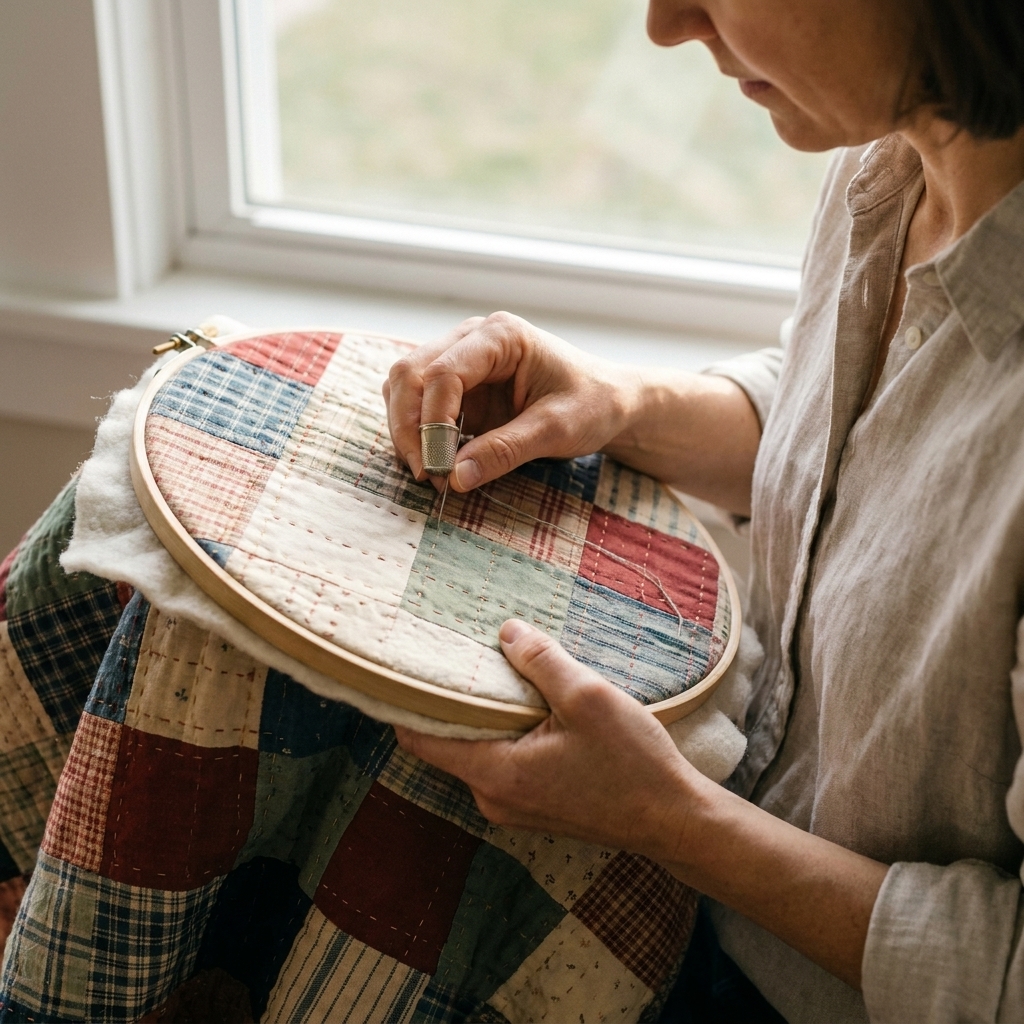
Wool batting
Wool is the batting that makes quilters sit up straighter when they see the finished piece. It adds puff without heaviness, and it makes quilting lines look crisp and dimensional. If you have a quilting design you are proud of, wool shows it off.
What it feels like
Springy and resilient. Wool tends to bounce back instead of staying creased. It is warm, but it breathes well, which is why a wool-batted quilt can feel cozy without feeling stifling.
Pros
- Fantastic stitch definition: Quilting looks raised and sculpted.
- Warm for its weight: Great for bed quilts that you do not want to feel like a lead blanket.
- Resilient: Wool recovers well from folding and use.
- Lovely for both modern and traditional quilts: It gives a “finished” look fast.
Cons
- Cost: Wool is often one of the pricier options.
- Care considerations: Many wool battings are washable, but gentle cycles and low heat or air dry help prevent distortion.
- Sensitivity and sourcing: Some makers prefer to avoid animal fibers. Others are sensitive to wool, although many quilt battings are washed or treated and feel much less “itchy” than sweater wool.
My best-use picks
- Show quilts and competition-style quilting
- Bed quilts for cool to cold climates
- Quilts with bold, open quilting motifs that you want to pop
Hands-on tips
- Basting: Wool has a little natural “grab,” which can make basting feel easier than slippery fibers.
- Quilting plan: Wool’s loft rewards confident, visible quilting. Bigger motifs often look especially dimensional.
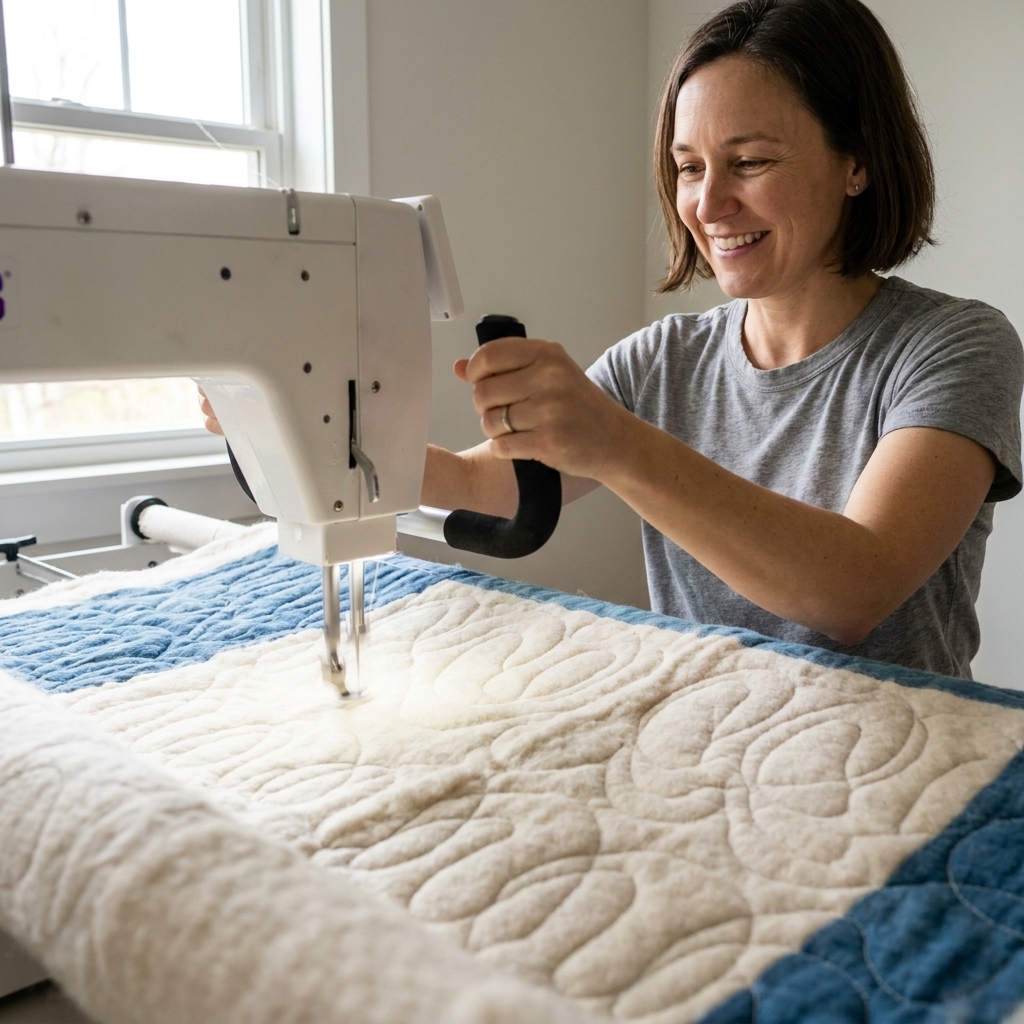
Bamboo batting
Bamboo batting has a devoted following, especially among makers who love a soft, drapey quilt. It tends to create a smooth, relaxed finish that feels wonderful against the skin. Many “bamboo” battings are actually blends, and the bamboo content is usually rayon made from bamboo (a regenerated cellulose fiber). That blend and processing are why two bamboo battings can feel very different.
What it feels like
Silky, fluid drape. It is the batting I reach for when I want the quilt to cuddle around shoulders instead of sitting on top of them.
Pros
- Beautiful drape: Excellent for throws and garments like quilted coats or vests where you want movement.
- Often feels cooler to many people: Especially in low loft blends, it can feel less toasty than wool or high-loft poly. Results vary by blend, fabric, and quilting density.
- Softness: Many bamboo battings feel very smooth right out of the package.
Cons
- Can stretch or distort more easily: Especially if you are wrestling a large quilt under a domestic machine. Good basting matters.
- May beard depending on blend and fabric: Tighter woven backing fabric helps, and a fresh needle is your best insurance policy.
- Lower loft: If you want extra puff, bamboo is usually not it.
My best-use picks
- Warm-weather quilts and summer bed quilts
- Soft throws for the couch
- Modern quilts where you want a flatter, smooth look
Hands-on tips
- Basting: Use more basting than you think you need. Spray plus pins, or dense pin basting, keeps that drape from turning into stretch.
- Support: Give the quilt a big surface area while you sew so the weight is not tugging on the sandwich.
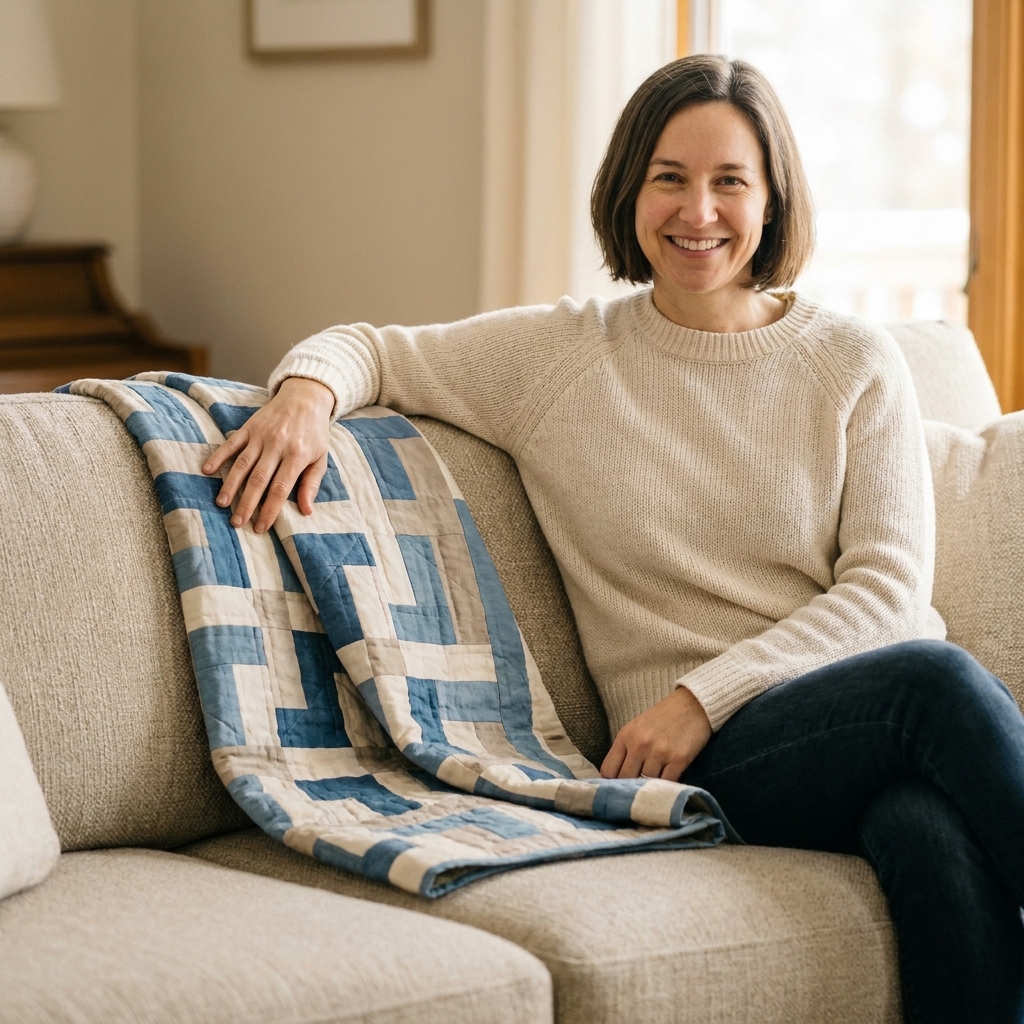
Polyester batting
Polyester batting is the chameleon of the batting aisle. It comes in everything from thin, budget-friendly sheets to gloriously puffy high-loft options that make quilts look like marshmallows. It is also easy to find, usually affordable, and can be beginner-friendly, especially in low to medium lofts.
What it feels like
Poly can feel very light for the warmth it provides. Low-loft poly can feel smooth and a bit springy. High-loft poly is where you get that dramatic puff and “trapunto-lite” look, even without fancy techniques.
Pros
- Wide range of lofts: From nearly flat to extra puffy.
- Budget-friendly and accessible: Great when you are making lots of quilts or practicing.
- Warmth without weight: A good option for people who want warmth but dislike heavy blankets.
- Often lower shrinkage: Helps quilts stay closer to their original size.
Cons
- Less breathable: Some sleepers find poly quilts feel warmer in a “trapped heat” way.
- Can beard: Bearding is not a “cheap batting” problem only. It is more about construction, abrasion, needle holes, and fabric weave. Dark fabrics also make stray fibers more obvious.
- Can shift if not well quilted: Always follow the product’s quilting distance guideline.
My best-use picks
- Kids quilts that need easy care
- Donation quilts and quick makes
- High-loft “puffy” looks, especially with bold quilting
Hands-on tips
- Beginner note: Low and medium loft poly is usually easy to baste and stitch. High loft can be slippery and can push seams open if you do not have enough quilting.
- Needle: If you are getting pokies or bearding, try a slightly smaller needle (without fighting your fabric), and change it more often.
Blends, bonding, and scrim
Two packages can both say “cotton” and still behave differently. Here are the quiet details that change everything.
Blends
Many battings are blends like cotton-poly, cotton-bamboo, or wool-poly. Blends can balance the best traits of each fiber, like adding strength and reducing shrinkage while keeping a natural feel.
Bonded vs needle-punched vs scrim
- Scrim: A thin stabilizing layer (often polyester) on one side or inside the batting. It helps prevent stretching and can allow wider quilting distances. It can slightly reduce the soft “melt” of the batting, depending on the product.
- Needle-punched: Fibers are mechanically tangled, creating a stable batting that is often beginner-friendly. Many cotton battings are needle-punched.
- Resin-bonded: Fibers are held together with a bonding agent. Some people love the stability. Others prefer a more natural hand. Package directions matter here, especially for heat.
If you want a quilt to drape like a hug, you might prefer less structure. If you are quilting a king-size quilt on a domestic machine and want it to behave, a stable batting with scrim can feel like a miracle.
Choosing by project
When I am batting shopping, I ask one question first: How do I want this quilt to live? On a bed. On a couch. In a diaper bag. In the washer twice a week. The answer usually points to the right fiber.
Baby quilts and kid quilts
- Easy care priority: Cotton or cotton-poly blends are dependable. Polyester is also common for frequent washing.
- Skin feel: Cotton and bamboo feel lovely against sensitive skin, but make sure your quilting is secure and your fabrics are tightly woven to reduce bearding.
Bed quilts
- All-season: Cotton is the classic, wool is wonderful if you like warmth without heaviness.
- Warm sleeper: Bamboo or a thinner cotton batting often feels more breathable to many people, especially with breathable fabrics and not-too-dense quilting.
Wall hangings and show quilts
- Quilting definition: Wool shines here. High-loft polyester can also make quilting stand out dramatically.
- Flat, graphic look: Bamboo or low-loft cotton gives a smoother finish.
Table runners and placemats
- Heat and laundering: Cotton is a safe, classic choice. Thinner battings reduce bulk at the edges.
- Important safety note: For items that will be exposed to high heat (potholders, oven mitts, trivets), do not assume quilt batting is heat-safe. Many polyester and resin-bonded battings can melt or scorch. Use 100 percent cotton batting or purpose-made insulated products, and follow the manufacturer’s directions.
Loft and quilting style
If you have ever wondered why two quilts with the same pattern look totally different, batting loft is often part of the secret.
- Low loft (bamboo, low-loft cotton, low-loft poly): Great for modern quilts, dense quilting, and a smooth finish. Quilting texture shows, but more subtly.
- Medium loft (many cottons, many wools): A balanced everyday option. Texture is visible without looking extra puffy.
- High loft (wool, high-loft poly): Best for bold quilting motifs, simple allover designs, and that plush “puffy quilt” look.
If your plan is to quilt widely spaced lines, always check the package for maximum quilting distance. Ignoring that guideline is one of the fastest ways to end up with shifting, sagging, or lumpy batting after washing.
Prewashing batting
Most modern battings are designed to be used right out of the package. I rarely prewash batting unless a manufacturer specifically recommends it, or I am using a specialty batting that I know will shrink dramatically and I want to control that shrinkage.
Instead, I focus on:
- Letting batting relax: Unroll it and let it rest flat for a bit if it is very creased.
- Planning for crinkle: Crinkle comes from a combination of batting shrinkage, fabric shrinkage, quilting density, and drying method. If I want maximum crinkle, I choose materials known for shrinkage and wash and dry accordingly.
- Washing the finished quilt correctly: Gentle cycle, mild detergent, and low heat or air dry keeps most battings happy.
Batting problems
Preventing bearding
- Use a fresh needle: A dull needle can punch bigger holes and encourage fibers to migrate.
- Choose tightly woven backing fabric: Looser weaves let fibers travel more easily.
- Consider batting construction: Scrim and more stable bonding can help keep fibers contained.
- Avoid over-handling: Tugging and stretching the sandwich can encourage fiber movement.
Preventing shifting and bunching
- Baste thoroughly: Spray baste plus pins, or dense pin basting, especially for drapey bamboo or large quilts.
- Quilt within the recommended distance: This is non-negotiable for long-term durability.
- Support the quilt’s weight: Use a table, extension, or quilt support so it is not dragging as you stitch.
Decision checklist
If you are standing in the store aisle, slightly overwhelmed and clutching your fabric like it is going to run away, this is the checklist I use.
- How warm should it be? Wool and poly tend warmer, bamboo often feels cooler to many people, cotton sits in the middle.
- Do I want drape or structure? Bamboo drapes, cotton balances, wool springs, poly varies by loft.
- How much quilting texture do I want? Wool and high-loft poly emphasize stitches.
- How will it be washed? Frequent washing favors stable, easy-care battings and secure quilting.
- How far apart is my quilting plan? Check the label and choose accordingly.
Batting FAQ
Which batting is best for beginners?
A stable cotton batting or a cotton-poly blend is a very friendly starting point. They are easy to baste, easy to quilt, and forgiving under a domestic machine. Low to medium loft polyester can also be friendly. Very high loft tends to need more careful handling and a solid quilting plan.
Which batting makes a quilt look puffy?
Wool and high-loft polyester create the puffiest look. If you want quilting lines to look deeply sculpted, those are your top contenders.
Which batting is best for summer?
Bamboo blends and low-loft cotton often feel cooler and drapier to many people, especially paired with breathable cotton fabrics. The exact “coolness” depends on loft, blend, quilting density, and how you use the quilt.
Do I need to use the same brand every time?
No, but once you find a batting that behaves the way you like, it is worth sticking with it for a while. Consistency helps you predict how your quilts will finish, especially regarding shrinkage and texture.
Final thoughts
Picking batting is not about finding the one “best” option. It is about choosing the best partner for the quilt you are making and the life that quilt is going to live. Cotton gives you classic comfort. Wool gives you loft and gorgeous texture. Bamboo gives you drape and softness. Polyester gives you budget flexibility and loft options.
If you are still torn, here is my gentle nudge: choose the batting that matches how you want the quilt to feel when you pull it up to your chin. Your hands usually know the answer before your brain finishes the math.